Expert French Drain Services for Improved Property Drainage
Expert French Drain Services for Improved Property Drainage
Blog Article
French Drainage Approaches for Effective Water Management
French drain systems act as a key element in effective water management for property owners. These systems are engineered to redirect both surface and groundwater, stopping water buildup near foundations. Knowing how they function and the different types available is essential. Property owners often face unique drainage problems that demand tailored approaches. As they consider these options, they may find themselves questioning the most suitable solutions for their specific needs.
What Are French Drains and How Do They Work?
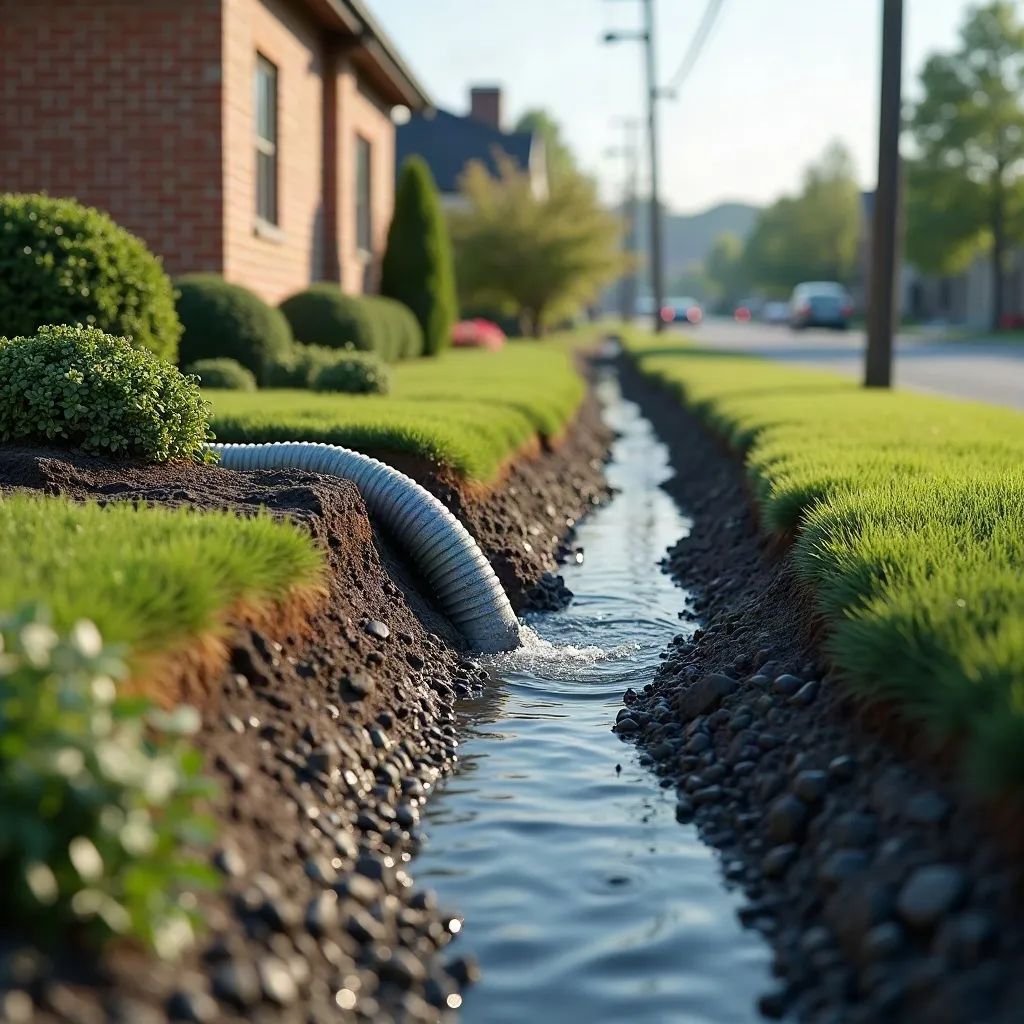
French drains work as a favored remedy for tackling water drainage concerns. They are comprised of a trench filled with stone aggregate, having a perforated drainage pipe placed at the foundation level. This design approach supports the smooth movement of water away from flood and moisture-prone areas. As rainwater or groundwater builds up, it flows into the perforated pipe, which then sends the water to divert from the foundation of buildings or landscaping.
The system relies on gravity to function effectively, guaranteeing that water moves to a specified drainage area, such as a storm sewer or dry well. By preventing water accumulation, French drains help protect structures from water damage, minimize erosion, and improve soil stability. Proper installation is crucial for maximizing their efficiency, as factors like slope and depth must be thoroughly evaluated. Overall, French drains serve as a reliable method for addressing drainage issues in various environments.
Distinct Categories of French Water Management Solutions for Your Real Estate
When addressing water problems, property owners can choose from multiple types of French drains tailored to their specific needs. One common option is the conventional French drain, which consists of a trench filled with gravel and a perforated pipe that gathers and diverts water away from the foundation. Another type is the surface French drain, designed to capture excess water pooling on the surface, often placed along driveways or sidewalks.
Properties with substantial groundwater may benefit from a subsurface French drain, set at greater depths to intercept water flow before it rises. Moreover, lateral drains are used to manage water flow around defined regions, preventing saturation in gardens or cellar areas. Ultimately, composite drainage systems combine elements of multiple drainage systems to meet unique challenges. Each type offers distinct functions, giving property owners the ability to select the most suitable solution for their water management issues.
Benefits of French Drains for Your Property
Putting in a French drain can noticeably enhance property value and protect from water damage. These water management systems expertly redirect excess water away from foundations, curtailing the risk of flooding and erosion. By dealing with water runoff, French drains help preserve landscaping and prevent soil saturation, which can damage plant life and hardscapes.
Additionally, the installation of a French drain can decrease mold and mildew development in crawl spaces and basements, encouraging a healthier interior living space. This is notably helpful in areas susceptible to heavy rainfall or elevated groundwater levels.
Furthermore, properties with effective drainage solutions often attract buyers more readily, as prospective buyers recognize the extended benefits of drainage technology. Overall, the advantages of French drains go further than quick moisture removal, enhancing the durability and desirability of a property.
Putting in a French Drain: A Gradual Approach
Establishing a French drain involves several essential steps to ensure efficient water management. First, the site should be assessed to determine the best location for the drain, typically at the lowest point of the area prone to water accumulation. Next, a trench is dug, ideally at a slope of 1% to 2%, which helps facilitate water flow. The trench depth and width should accommodate perforated pipe and gravel.
Once the trench is prepared, a layer of gravel is placed at the base, followed by the drainage pipe, making sure the openings face downward. After placing the pipe, additional gravel is included to cover it, allowing for peak drainage. Finally, the excavation is completed with earth, and grounds is restored. Proper installation guarantees that excess water is efficiently redirected away from the property, reducing potential harm.
Fixing Typical Difficulties With French Drains
Resolving common problems with French drains is important for maintaining their effectiveness. Two widespread problems include blocked drainage, which can obstruct water flow, and improper grading, which may cause water to collect instead of draining away. Resolving these issues quickly guarantees optimal performance and longevity of the drainage system.
Clogged Drainage Concerns
Clogs can compromise the effectiveness of French drains, leading to water accumulation and potential damage. Typical culprits include sediment buildup, debris intrusion, and root infiltration. Over time, these blockages can impede proper drainage, requiring timely intervention. Homeowners should frequently check their French drains for signs of clogging, such as slow drainage or unusual dampness in surrounding areas. Using a garden hose to flush the system can help dislodge minor blockages. For more severe clogs, a professional inspection may be required to assess the situation accurately. Additionally, installing a filter or grate can prevent larger debris from entering the drainage system, thereby mitigating future clogging issues. Prompt attention to clogged drains is essential for maintaining effective water management.
Incorrect Grade Concerns
An appropriate slope is vital for the optimal performance of French drains, as even a small misalignment can cause severe drainage difficulties. If the slope is too level, water may collect in the drain instead of traveling toward the outlet. In contrast, an steep slope can trigger swift water movement, preventing the drain from securing runoff sufficiently. Homeowners may spot signs of inadequate drainage, such as standing water or wear near the drain's entry point. To troubleshoot these troubles, it is important to examine and adjust the slope to assure a consistent gradient of at least 1% to 2%. Ongoing maintenance and supervision can eliminate these troubles, allowing the French drain to work optimally and prolonging its longevity.
Maintaining Your French Drain for Sustained Performance
Regular inspections and cleaning of a French drain are required to guarantee peak performance. Additionally, correct grading of drainage is essential for directing water flow effectively away from the foundation. These practices help avoid blockages and promote long-term efficiency.
Routine Assessments and Care
It is important to perform regular inspections and cleaning to ensure the long-term efficiency of a French drain system. Over time, debris, material, and biological substances can collect inside the drain, blocking water flow. Regular assessments helpful guide enable homeowners to spot obstructions or structural damage early, preventing bigger problems later. Cleaning should be done at least once annually, especially after heavy rain or storms, to remove any buildup present. Using a blend of manual clearing and devices like a drain snake can successfully clear clogs. Also, maintaining the surrounding landscape by trimming plants and making sure proper drainage is directed away from the system supports its longevity. Consistent maintenance ultimately shields the property from water damage and boosts drainage efficiency.
Proper Drainage Slope Design
Proper drainage sloping is crucial for the effectiveness of a French drain system. It guarantees that water moves toward the drain rather than accumulating in unwanted areas. For peak performance, the ground should slope away from the foundation at a minimum gradient of 1% (or 1 inch per 10 feet). This slope facilitates efficient water movement, reducing potential water damage and erosion.
Continuous assessment of the slope condition are necessary to address any changes due to landscaping, ground settling, or natural wear. If slope grade becomes inadequate, it may involve changes, such as re-contouring the property or placing topsoil to maintain the ideal grade. By prioritizing proper drainage grading, property owners can improve the longevity and functionality of their French drain systems, assuring dependable water management.
Regular Inquiries Presented Often
How Much Will It Price to Add a French Drain?
A French drain setup typically costs between $1,000 to $5,000, based on assorted variables such as the size of the assignment, complexity, and local workforce costs, considerably impacting complete setup costs.
Can You install a French Drain by yourself?
Yes, an individual can construct a French drain on their own if they possess the requisite skills and tools. However, thoughtful planning and adherence to local regulations are essential to validate reliable performance and prevent future drainage issues.
What Permits Is Called For for Fitting?
Local regulations typically demand a certificate for establishing drainage networks. Homeowners should review municipal codes or permit departments to ascertain particular conditions, maintaining conformity with zoning codes, environmental considerations, and any necessary inspections during placement.
What Is the Expected Life of a French Drain?
A correctly placed French drain generally endures between 30 to 40 years, based on soil conditions and maintenance. Regular inspections and prompt maintenance can significantly prolong its lifespan and guarantee peak performance over time.
Do French Drain Systems Provide Relief for Basement Inundation?
Yes, French drains can efficiently prevent basement flooding by diverting surface water away from foundations. When correctly installed, they reduce moisture levels, assisting in avoiding water accumulation and possible deterioration within the basement environment.
Report this page